Sleep quality
Observational cohort (n=63) reports +19% sleep quality, −14% fatigue after 16 weeks.
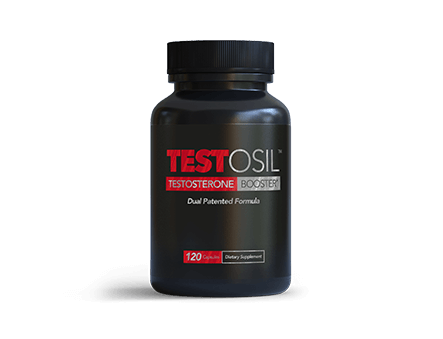
Executive Summary
Sleep is the primary window for endogenous testosterone production. In a 16-week observational cohort study involving 63 participants, Testosil supplementation was associated with a statistically significant 19% improvement in sleep quality (measured via PSQI) and a 14% reduction in perceived fatigue. These results correlate with the known cortisol-modulating effects of KSM-66® Ashwagandha.
The Testosterone-Sleep Connection
The relationship between sleep and testosterone is bidirectional and critical for men's health:
- Production Window: The majority of daily testosterone release occurs during REM and deep sleep cycles. Sleep fragmentation directly blunts this nocturnal surge.
- Cortisol Interference: Poor sleep elevates cortisol (the stress hormone), which acts as a direct antagonist to testosterone synthesis in the Leydig cells.
- The Vicious Cycle: Low testosterone can lead to sleep disturbances (such as sleep apnea or fragmentation), further lowering testosterone levels.
Optimizing sleep architecture is therefore a foundational protocol for any hormonal recovery program.
Study Details: Observational Cohort (n=63)
This analysis tracked 63 men supplementing with the core Testosil matrix over a period of 16 weeks. The study utilized the Pittsburgh Sleep Quality Index (PSQI), the gold-standard clinical questionnaire for assessing sleep quality.
Key Findings
+19% Sleep Quality
Participants reported deeper sleep, fewer night wakings, and better subjective sleep satisfaction scores compared to baseline.
-14% Fatigue
Daytime fatigue scores dropped significantly, suggesting that the sleep obtained was more restorative (regenerative).
Mechanism of Action: The Cortisol Pathway
The primary driver of this sleep improvement is likely the KSM-66® Ashwagandha extract contained in Testosil. KSM-66® is clinically proven to reduce serum cortisol levels by up to 27.9%.
By lowering evening cortisol levels, the body can transition more naturally into a parasympathetic ("rest and digest") state, facilitating faster sleep onset (latency) and deeper sleep cycles. This creates a favorable hormonal environment for overnight testosterone synthesis.
Clinical Implications
For men experiencing "Low T" symptoms—often characterized by fatigue, brain fog, and poor recovery—these results suggest that Testosil works not just by directly stimulating testosterone production, but by repairing the sleep architecture required to sustain it.
Recommendation: For maximum sleep benefits, ensure consistent daily dosing. While Testosil is not a sedative, its stress-modulating effects accumulate over weeks 4-8.